Lens OS — Real-Time Global Intelligence Platform
A real-time intelligence platform that transforms global news and events into actionable context through AI-powered analysis, structured data, and developer-ready APIs.
Lens OS explores how intelligence products should behave in a world where information is abundant, but understanding arrives late. Instead of helping users search for news, Lens OS is designed to stay in context continuously — interpreting global events as they unfold and surfacing meaning in real time. The product brings together real-time news, historical memory, on-chain signals, and market flows into a single intelligence layer that developers, analysts, and AI agents can subscribe to.
Client
M0
Services
Product Design UX Strategy Visual Design Interaction Design Product Thinking Landing Page Design Logo & Brand Design
Industries
AI & Machine Learning, Web3 / Crypto, Data & Analytics, Financial Intelligence
Date
2025
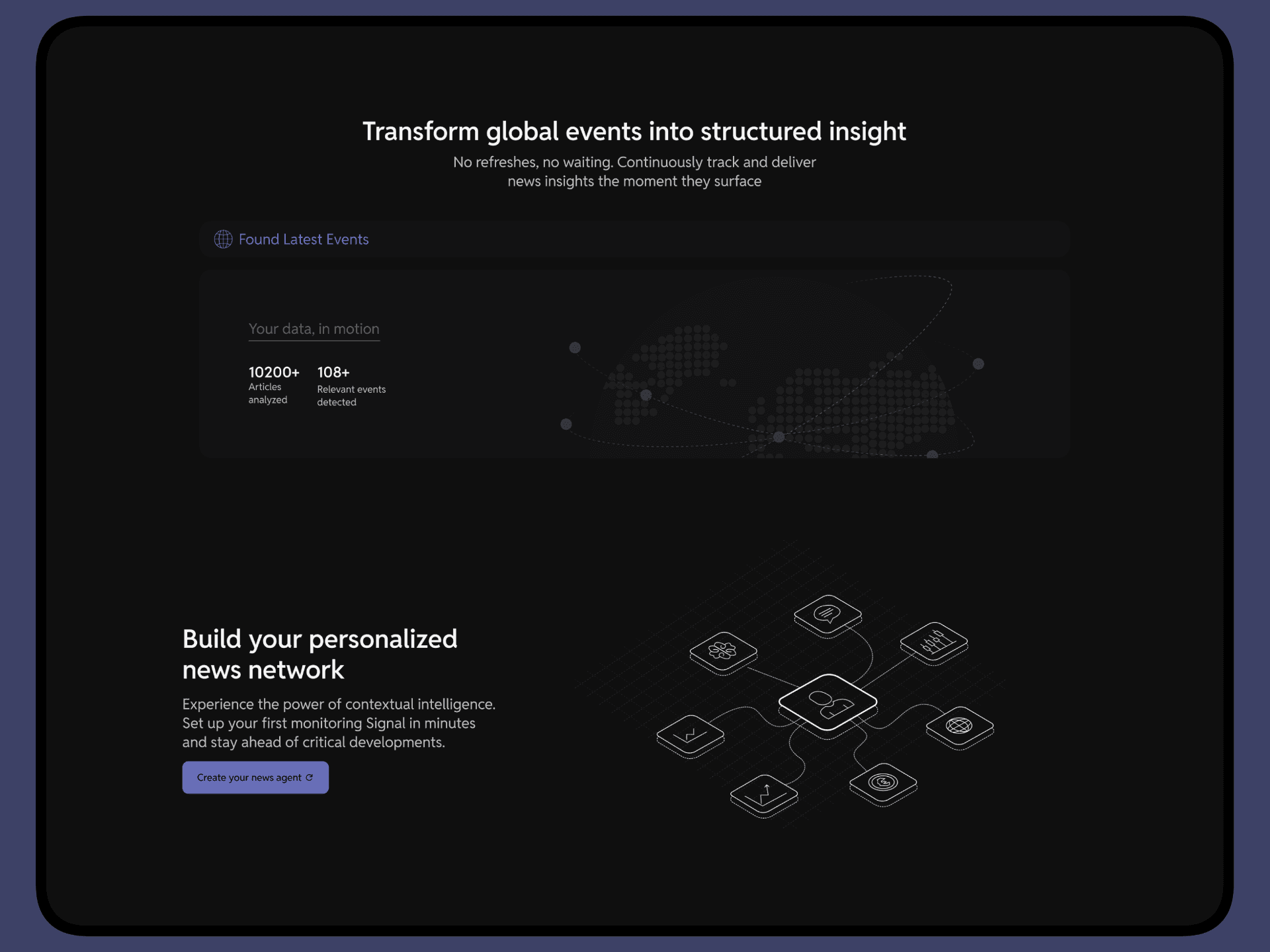
Lens OS positions intelligence as a living system — one that doesn’t wait for queries, but continuously understands how events connect, evolve, and influence each other. Throughout this project, I worked as the Design Lead, shaping both the product vision and the end-to-end user experience — from the landing page narrative to the core product flows. Core Design Challenge - Designing for context, not content - Representing real-time intelligence without overwhelming users Key Design Problems & Solutions 1. Communicating a New Mental Model - Challenge: Most users are trained to “search” for information. - Solution: Reframed the product around continuous awareness using clear narrative copy, progressive disclosure, and metaphor-driven visuals. 2. Information Density vs Clarity - Challenge: Large volumes of global data risk cognitive overload. - Solution: Structured the interface around signals, timelines, and curated insights instead of raw feeds. 3. Visualizing Intelligence (Not Dashboards) - Challenge: Avoiding generic charts and data-heavy UI. - Solution: Designed an abstract, editorial visual language using minimal isometric line illustrations to convey concepts like context, orchestration, and real-time flow.
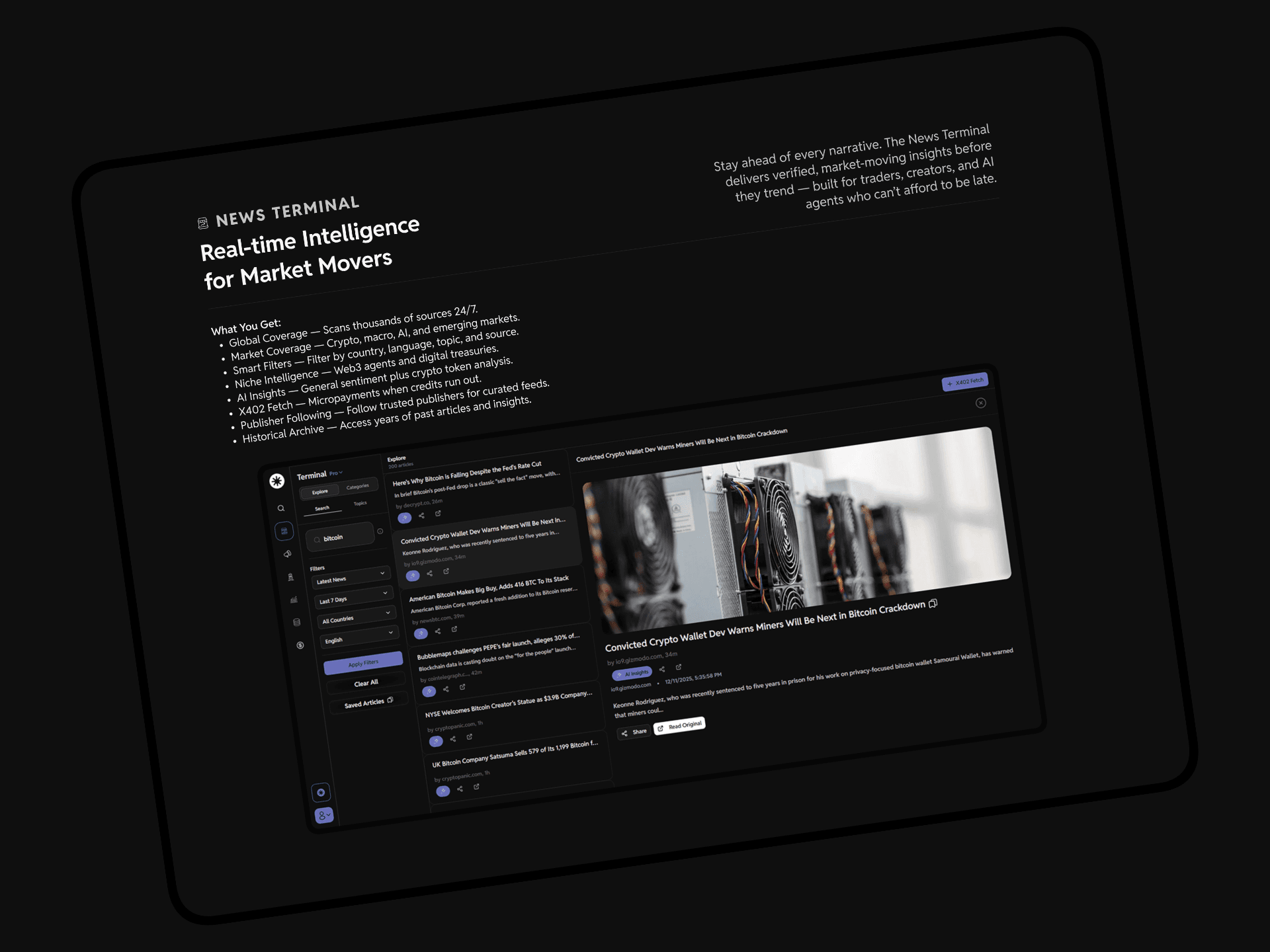
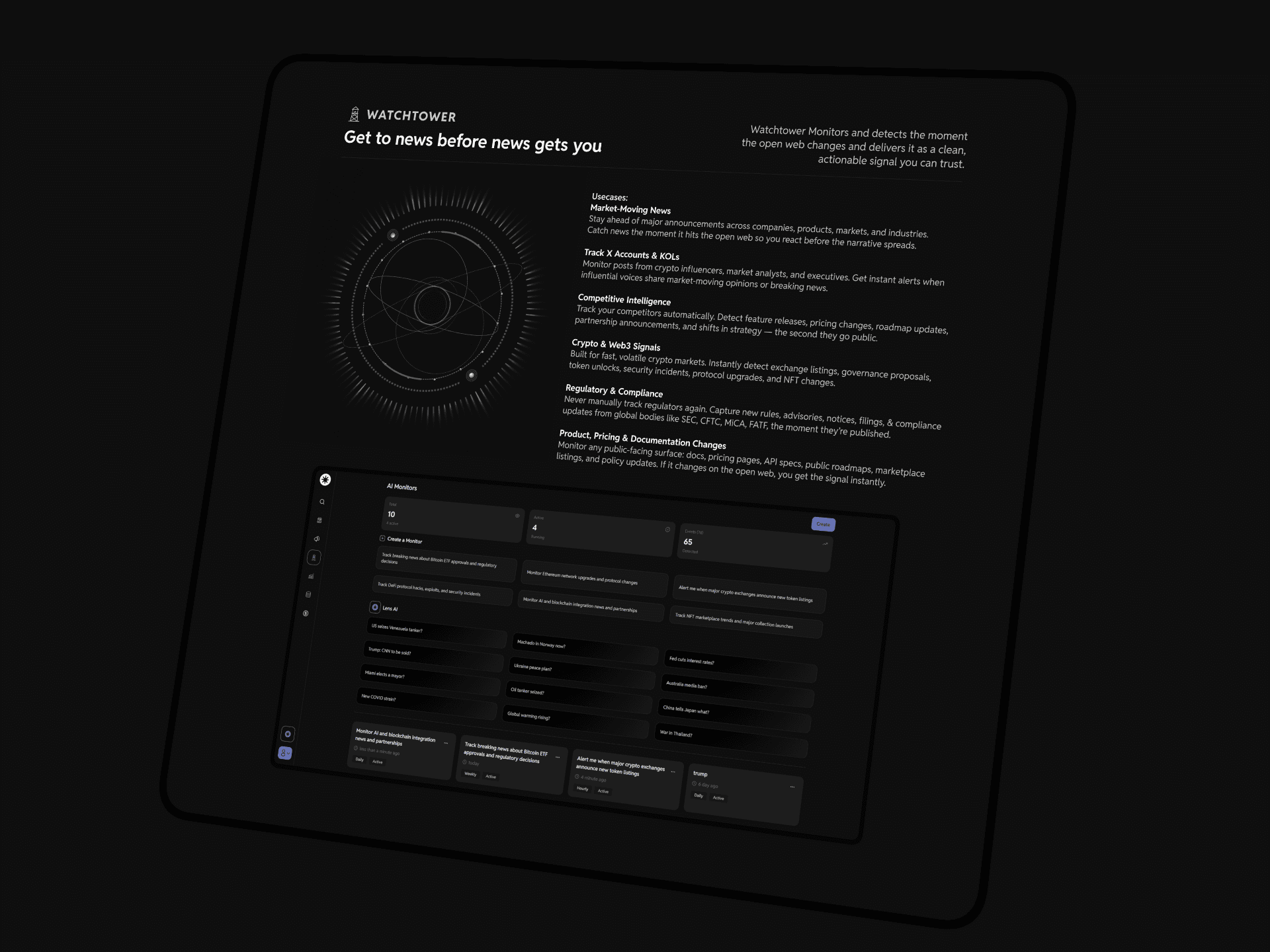
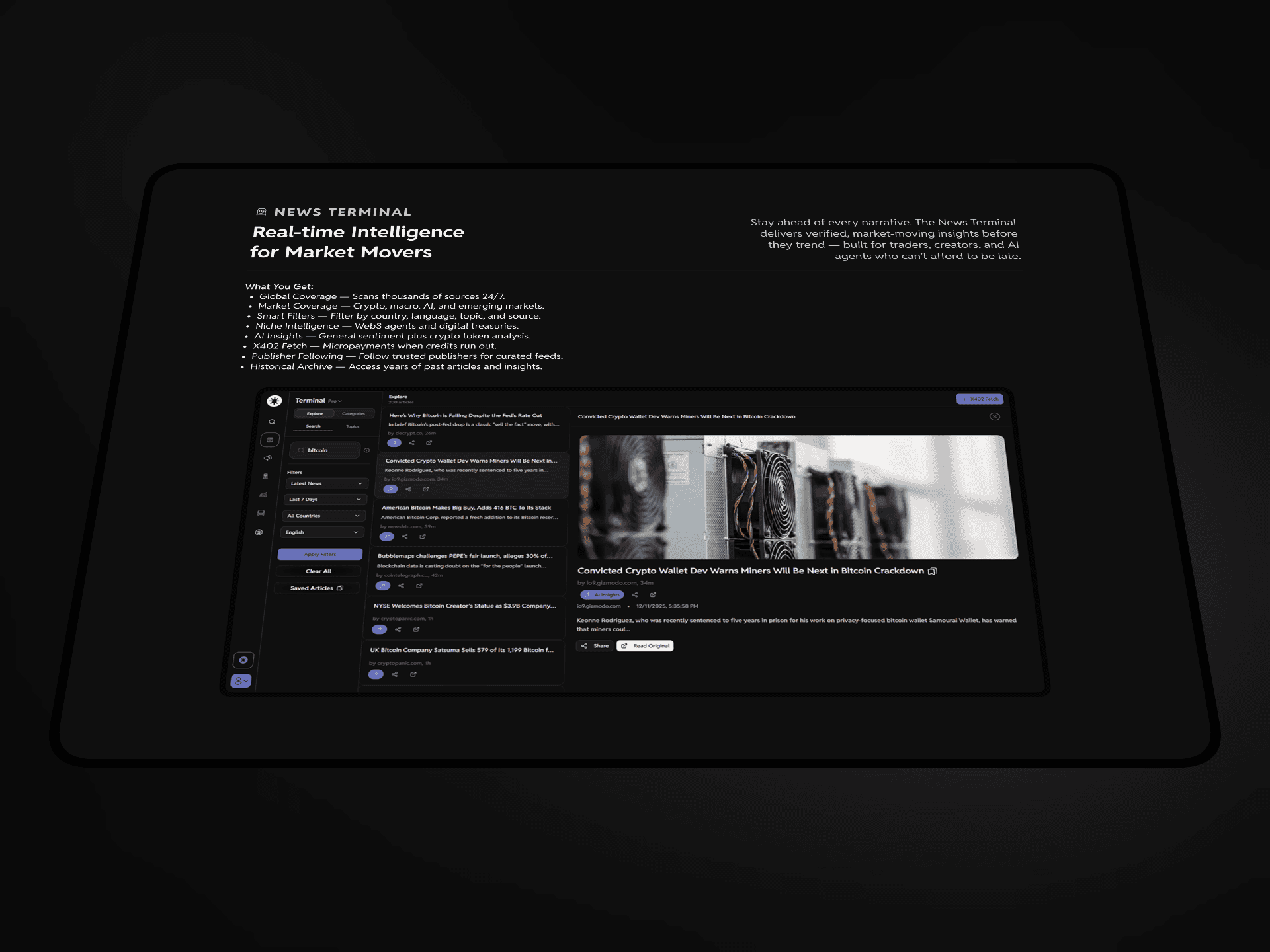
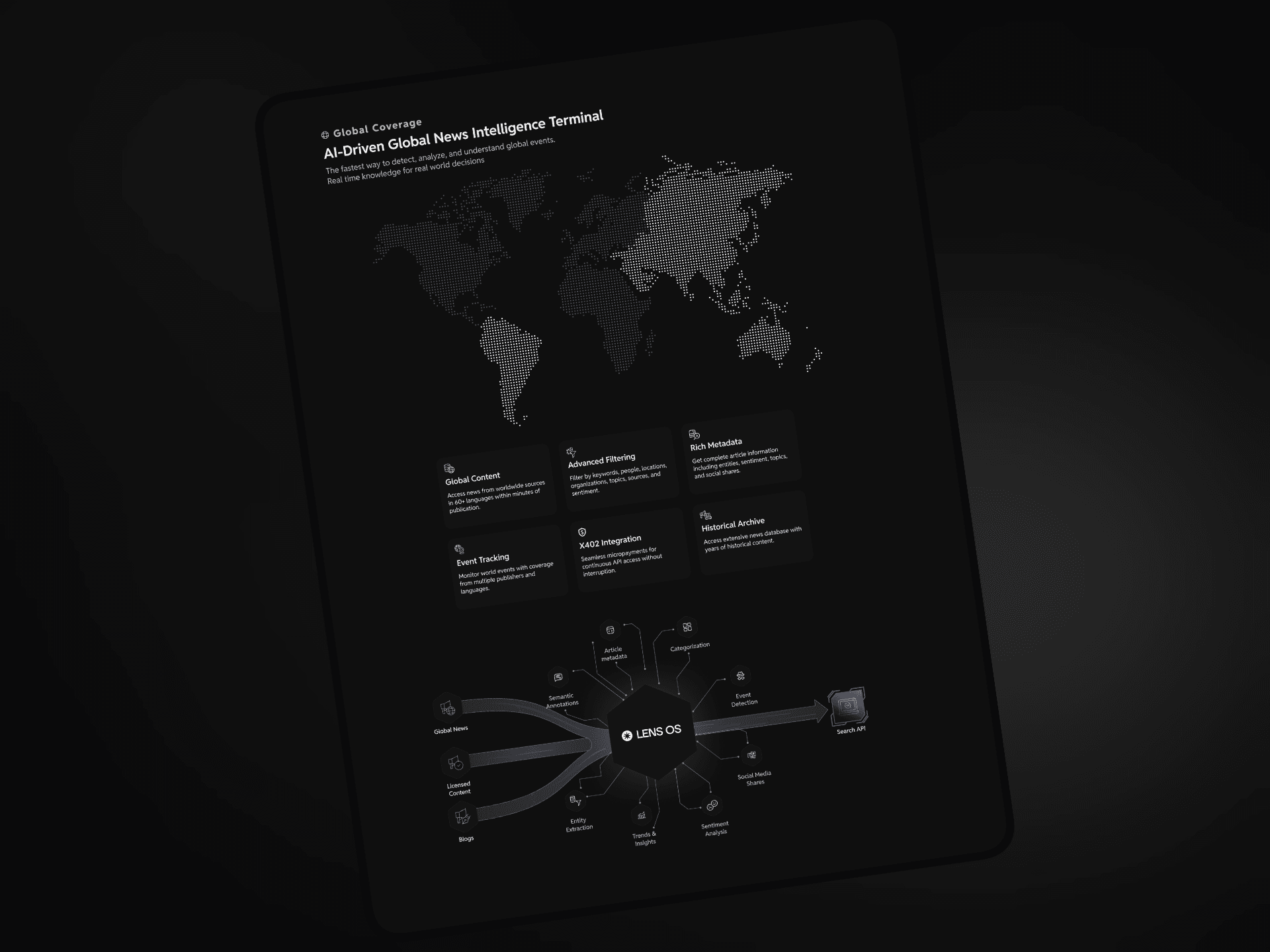
The final outcome is a **cohesive product concept and landing experience** that clearly communicates a new paradigm for intelligence systems. Key Learnings Designing for Context - Learning: Intelligence is not about retrieval, but continuity. - Implementation: Used timelines, connected systems, and progressive narratives instead of isolated data points. Visual Restraint - Learning: Complex products need calm interfaces. - Implementation: Heavy use of negative space, limited color palette, and consistent line-based illustration system. Narrative-Driven UX - Learning: Vision matters as much as usability. - Implementation: Structured the landing page as a story — from problem framing to system architecture to future possibilities. Product Thinking - Learning: Strong products teach users how to think differently. - Implementation: Every section reinforces the idea that *understanding arrives before action*. This project strengthened my ability to design concept-heavy, future-facing products — balancing strategy, storytelling, and system design while keeping usability and clarity at the core.